
6 Reasons Why You Keep Attracting Emotionally Unavailable People
Emotionally unavailable people sometimes have an unusual power to awaken in us the very things we promised ourselves we would never feel again. Their distance does not make us lose interest; instead, it draws us in even more. One day, they give us just enough attention to make us start believing there could be something more, and the next day, we find ourselves looking back at them, trying to make sense of their silence. Instead of asking ourselves whether this kind of relationship is even right for us, we start wondering how we could earn more of their affection. And so, the person who gives us the least can end up taking up the most space in our minds.
But attraction is not always as simple as it seems. Sometimes, it is not just the person we are drawn to, but also the feeling they awaken in us: the excitement of uncertainty, the longing for closeness that constantly slips through our fingers, or the quiet hope that this time, we will finally be chosen. That is precisely why you can find yourself in the same emotional maze, even when the faces change. Keep reading to discover the reasons that may lead you into relationships with emotionally unavailable people.
What Is Emotional Unavailability?
Emotional unavailability means that a person struggles to establish and maintain emotional closeness with others. They may find it difficult to recognize and put their feelings into words, be reluctant to talk about what truly hurts them, or withdraw when a relationship requires greater vulnerability and openness. This does not mean they feel nothing. They often experience emotions but struggle to understand, express, or share them with others, which can make it difficult for them to form deep connections, even when they want to.
Emotional unavailability can manifest in different ways. You may feel that you know someone well until the conversation becomes personal, or you may notice that they shut down whenever you try to get closer. Some people rely heavily on themselves and find it difficult to ask for support, while others avoid conversations about emotions or do not know how to respond to their partner’s emotional needs. Underlying these behaviors may be a fear of vulnerability, past experiences, or learned ways of protecting themselves from getting hurt. Emotional unavailability is not a mental health disorder in itself, and not everyone who struggles to open up is emotionally unavailable. What matters most is whether these difficulties consistently prevent a person from building honest, secure, and mutually fulfilling relationships with others.

6 Reasons Why You Keep Attracting Emotionally Unavailable People
1. Emotional Unavailability Feels Familiar
Our understanding of love begins to take shape in our earliest relationships, where we learn what to expect from others and how to secure their closeness. If, as a child, you often had to ask for attention, guess what mood your parent was in, or hide your feelings to keep the peace, this kind of dynamic may feel surprisingly familiar in adulthood. This does not mean you consciously want it, but rather that it is familiar to you, which may make it harder to recognize it as something that is hurting you.
When you meet someone who only shows you affection occasionally, this kind of relationship may not seem as unusual to you as it should. You may even feel a strong attraction without realizing that you are being drawn into a dynamic you have known before.
2. You Confuse Intensity With Emotional Intimacy
Sometimes, you barely know someone, yet you already find yourself thinking about them all the time. You wait for their message, replay your conversations in your mind, and try to figure out what their words mean or why they suddenly pulled away. It may all feel like extraordinary chemistry, but intense emotional excitement does not necessarily mean that you are truly close. Attraction can spark a connection, but emotional intimacy is built through trust, honesty, and gradually getting to know another person.
If you often feel on edge because you do not know where you stand, you may start interpreting that tension as proof that the person means something special to you. Meanwhile, you may not yet know how they behave during difficult moments, whether they can listen to your needs, or whether you can rely on them. Do not confuse the intensity of your feelings with the depth of your connection. Someone can awaken enormous emotions in you without being able to offer you a relationship in which you feel loved and secure.
You might also love:
- Why You Attract the Same Type of Partners Again and Again
- 11 Clear Signs of a One-Sided Relationship and What To Do
- 9 Signs Someone Is Emotionally Dumping on You—and How to Respond
- The Quiet Signs of Fear of Rejection in a Relationship — and What’s Behind Them
- 9 Signs Someone Is Lying to You That a Good Liar Can’t Hide
3. You Feel Compelled to Earn Their Love
When someone does not return your affection to the same extent, you may start believing that you need to do more to deserve it. Perhaps you become more understanding, patient, and attentive, overlook things that hurt you, or put your own needs aside so you do not push the other person away. Instead of asking yourself whether this person can offer you the kind of relationship you want, you start looking for ways to become someone they will finally choose.
Underlying this may be the belief that you have to prove something to earn love — that you have to be good enough, attractive enough, patient enough, or special enough for the other person to want to stay. Their affection then becomes validation of your worth, while their distance becomes something you need to fix. But love is not a reward for how much you are willing to endure.
4. Uncertainty Keeps You Emotionally Invested
One day, the person shows you affection, makes plans to spend time together, and gives you the feeling that the relationship is progressing. Then, without a clear explanation, they pull away, become cold, or stop reaching out. When they come close again after a period of uncertainty, you feel relieved, perhaps even happier than before. This kind of unpredictability can keep you emotionally invested because you never know when you will receive the attention you long for again.
Over time, you may find yourself directing most of your attention toward this person: waiting for their next message, analyzing their behavior, and looking for signs that things are finally turning around. The relationship then begins to revolve around the question of when they will be available again, rather than whether both of you are truly willing to build a future together.
5. You Are Repeating an Old Relationship Pattern
Sometimes, you enter a new relationship with someone who is completely different from your previous partner, yet over time, you find yourself in the same position: you are the one seeking closeness, initiating difficult conversations, and trying to maintain the connection, while the other person pulls away. The faces change, but the feeling remains the same. This can happen because you unconsciously repeat a way of relating that you have already internalized, or because you are drawn to similar traits in people again and again, before you even realize where the relationship is heading.
Sometimes, there is also a hope behind this pattern that the story will end differently this time. If you once lacked emotional closeness, you may long to finally experience it with someone who initially struggles to offer it. Perhaps you want to prove to yourself that you can achieve a different outcome this time if you just try hard enough. But you cannot repair the past by convincing a new person to give you what someone else was unable to give you. Change begins when you recognize a familiar dynamic and decide that you will no longer stay in it simply because it feels familiar.
6. You Overlook Red Flags Because You Focus on Their Potential
When you like someone, everything can seem full of promise. You notice their gentler side, the moments when they open up to you, or the way they behave when the two of you feel close. Perhaps you know they have a difficult past, and you believe they will gradually find it easier to open up as they learn to trust you. You begin to fall in love not only with the person they are today, but also with the idea of who they could become if they overcame their fears or finally committed to your relationship.
Because of this, you may excuse inconsistency, overlook broken promises, or keep looking for explanations for behavior that hurts you. Instead of evaluating the relationship based on what is actually happening, you judge it by its best moments and the future you imagine. Of course, people can change, but you cannot make that change happen on someone else’s behalf. Do not choose a relationship solely for what it might become one day. Instead, look at what the other person is offering you now.
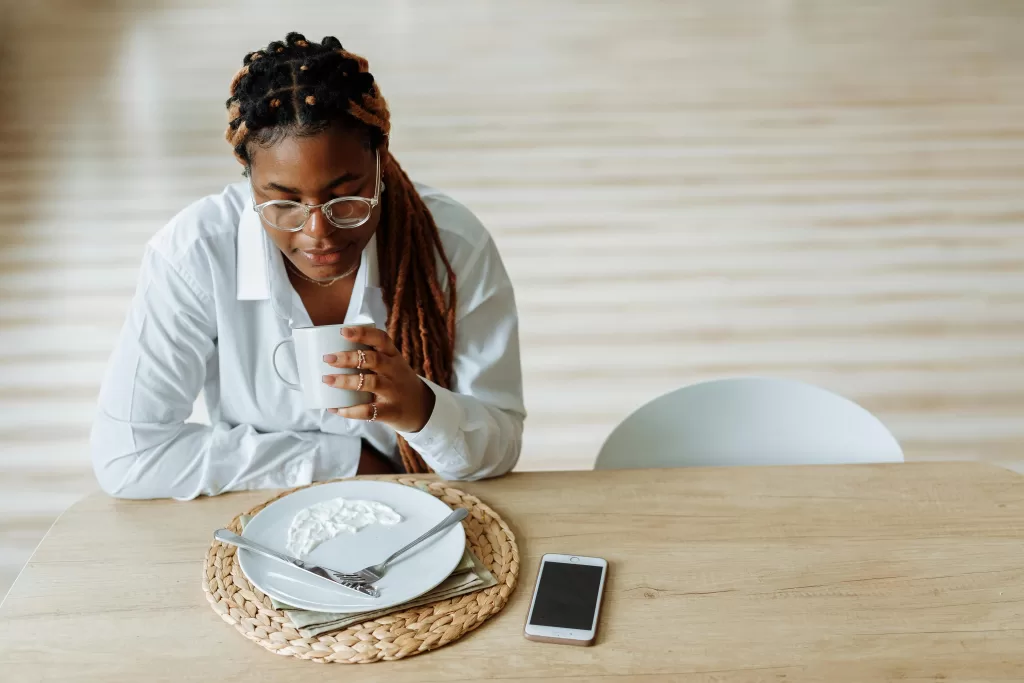
How Attachment Styles Influence Who You’re Attracted To
Your attachment style can influence how you experience love and the kind of people you want by your side. If you are afraid of rejection, an unpredictable person may attract you even more strongly because their attention brings you relief, while their distance makes you want them even more. On the other hand, if emotional closeness makes you uncomfortable, you may be attracted to people who keep their distance. In both cases, you may mistake a familiar emotional dynamic for a genuine connection.
But what feels familiar is not necessarily what you need. If you are used to uncertainty, a calm relationship may initially seem less exciting, while ambiguity and longing keep you emotionally preoccupied. That is why you should pay attention not only to how strongly you are attracted to someone, but also to how you feel around them and whether their actions make you feel secure. Your attachment style is not a fixed label; as you begin to recognize your patterns, you can gradually learn to make different choices.
How to Stop Attracting Emotionally Unavailable People
Pay Attention to Patterns, Not Just Chemistry
When you like someone, it is easy to focus on the attraction, excitement, and everything they awaken in you. But try to pay attention to how you feel around this person over time, too. Do they consistently move closer to you, or do they reach out mainly when it suits them? Can you talk openly with them, or do you constantly have to watch what you say so they do not pull away? These questions can help you distinguish initial chemistry from the behavior that actually builds a relationship.
Do not judge someone based on a single awkward moment. Instead, observe whether certain things keep happening. Attraction can be immediate, but trust develops over time. Allow yourself to get to know the person without becoming too attached too quickly to the idea of who they could become.
Get Clear on What You Need From a Relationship
If you are used to adapting to others, you can quickly lose touch with what you want for yourself. Perhaps it is important to you that your partner checks in regularly, that you can talk about your feelings, or that you both clearly show that you want the same kind of relationship. These are needs worth understanding before you find yourself in a relationship where you start accepting less than what feels right for you.
Take some time to reflect on what a mutually fulfilling relationship means to you. The other person does not have to be perfect or always meet your expectations, but it is important that you can talk about your differences and find a way forward together. When you know what you need, it becomes easier to recognize the difference between a relationship that requires some patience and one in which you constantly have to compromise who you are.
Believe Their Actions More Than Their Potential
Someone may tell you that you are important to them, yet their behavior does not match their words. They promise to make more of an effort, say they just need some time right now, or give you the feeling that one day your relationship will become what you want it to be. Of course, people have their own struggles and can change, but you cannot know what will happen if you judge the situation based only on promises.
Instead, focus on what is happening now. Does the person follow through on what they promise? Are they willing to talk about problems and look for solutions together with you? You do not need to have all the answers at the beginning, but you do not have to wait indefinitely for a change that the other person never puts into action.
Stop Taking Responsibility for Someone Else’s Emotional Availability
When someone pulls away, your first thought may be that you have done something wrong. You start searching for the right words, become even more understanding, or try to create circumstances in which the other person feels safe enough to open up to you. But although you can contribute to a relationship, you cannot do someone else’s emotional work for them.
You can tell them what you need, listen to them, and give them space to express themselves. But you cannot force them to face their fears or want the same level of closeness as you do. When you stop taking responsibility for their reactions, you can begin to see more clearly whether both of you are willing to build the relationship or whether you are the only one trying to move it forward.
Learn to Recognize Consistency as a Form of Attraction
If you are used to relationships filled with uncertainty, someone who is open, reliable, and emotionally present may initially seem less exciting. There is no constant guessing, waiting for a message, or fear that they will suddenly pull away. But the absence of this tension does not mean there is no chemistry between you. Perhaps, for the first time, you are simply not spending so much energy trying to guess what the other person feels.
Give yourself the chance to get to know someone without needing to feel something dramatic right away. Notice whether you can relax around them, express your opinion, and be yourself without fearing that you will lose their affection because of it. Healthy attraction does not require you to give up excitement or passion. It allows you to experience both alongside trust, respect, and the feeling that the other person is also making an effort to be there for you.